Wann
Beginn: 20:00 Uhr
Einlass: 19:00 Uhr
Wo
Revaler Straße 99
10245 Berlin, DE
Tickets
AN ENDING IN ITSELF TOUR
Before the gold and platinum certifications, sold-out theaters, and a cultural resurgence that brought a new generation of true believers to their music through TikTok and arena tours, Sleeping With Sirens was a leap of faith grounded in intuition and a unique voice that’s impossible to mistake.
Kellin Quinn didn’t enter the post-hardcore scene sounding like the typical frontman. His powerful, passionate, urgent, and unique voice cut through the noise around them, both literal and figurative. The band connected with those who felt similarly out of step; listeners seeking solace in songs that echoed their deepest insecurities, resentments, anxieties, tensions, and fears. SWS felt like medicine.
From the beginning, Sleeping With Sirens crafted their anthems as shelters from the world’s storms. Bold choruses served as lifelines. Breakdowns acted as balms, healing wounds of alienation and anger.
The thrillingly energized and stylistically diverse new album, An Ending in Itself, proves that the bond between the band and its passionate audience remains its defining strength. Produced by Will Yip (Turnstile, Circa Survive, Movements), the album represents both a homecoming and a reckoning.
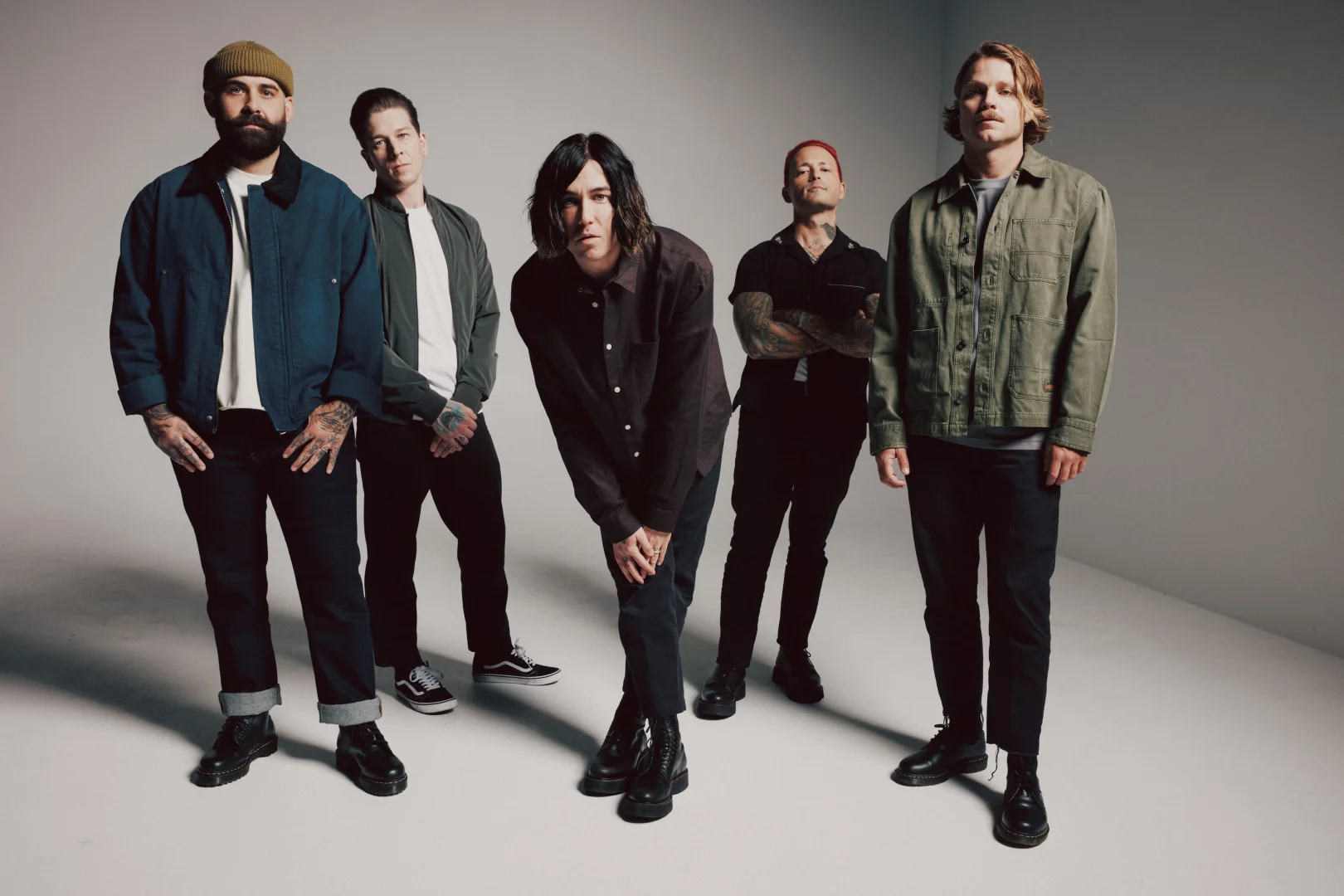
Bassist Justin Hills, guitarist Nick Martin, drummer Matty Best and Quinn are joined by guitarist Tony Pizzuti, a touring member since 2022 and now officially part of the line-up. Their eighth album carries the restless spirit of classic SWS with the nuanced experience of recent years.
It’s the band’s first with Rise Records since Feel, which debuted at No. 3 on the Billboard 200. Rise also released With Ears to See and Eyes to Hear (2010) and gold-certified Let’s Cheers to This (2011), which produced the platinum “If You Can’t Hang.”
Kellin describes An Ending in Itself as both a culmination and a continuation, completing the recent emotional and thematic arc of How It Feels to Be Lost and Complete Collapse while reconnecting with the spirit that first propelled the band forward. “It feels like a final chapter to the last couple of records,” he says. “But it also has a lot of our second record, Let’s Cheers to This, in it. That energy where we weren’t trying to fit in anywhere and we just made the record we wanted to make.”
In the 2010s, Warped Tour crowds swelled into massive cultural gatherings as print magazines like Alternative Press and Kerrang! championed a new wave of artists who blended punk urgency, melodic ambition, and unapologetic vulnerability. The band quickly became one of the movement’s most recognizable voices. Yet their cult success was never simply about belonging to any particular scene.
Even during the band’s earliest ascent, Sleeping With Sirens connected because their songs addressed real emotional terrain. They sang about fractured families, self-doubt, loneliness, and the aching desire to feel understood. Quinn’s lyrics often read like open letters to listeners navigating similar struggles.
Fans do not simply listen to Sleeping With Sirens. These songs live in their bones.
